South Africa

Discover South Africa's Marine World

Expert-written guides covering aquariums, kelp forests, the legendary sardine run, shark encounters, penguin colonies, and the rich marine heritage along one of the most biodiverse coastlines on Earth.

12 In-Depth Articles 18 min read Updated August 2026 Independent Guide
Explore Articles
3,650km
Coastline Covered
13,000+
Marine Species
2,000
Year-Round Penguins
1st
African Aquarium

Two Oceans, One Unforgettable Coastline

South Africa hosts one of the most extraordinary marine ecosystems on the planet. Where the icy Atlantic and the warmer Indian Ocean converge along the country's southern coast, an astonishing diversity of marine life flourishes — from towering kelp forests and colonies of African penguins, to the world's most predictable great white shark encounters and the spectacular annual sardine run.

Major public aquariums along the coast bring these underwater worlds into accessible, family-friendly spaces. Whether you're marveling at a transparent ocean tunnel gliding under schools of fish, watching rescued sea turtles recover in rehabilitation pools, or observing African penguins nest beside rock outcrops, South African aquariums offer a uniquely African window into the marine world.

This independent guide brings together everything you need to plan thoughtful visits, understand the marine biology behind the exhibits, support sustainable marine tourism, and connect with conservation efforts that protect these fragile ecosystems for future generations.

Browse Our Guides
Interior view of a large marine aquarium tunnel with rays and reef fish gliding above visitors

Complete South African Aquarium & Marine Travel Articles

Expert-written guides covering every aspect of visiting South Africa's major aquariums, from first-timer essentials to photography tips and conservation insights.

Sunlit kelp forest aquarium exhibit with schools of fish Essential Guide
August 12, 20267 min read

First-Timer's Complete Guide to South African Aquariums

First time exploring South African aquariums? This comprehensive guide covers everything — from ticket types and best visiting times to which exhibits to prioritise and how to make the most of a half-day visit.

Public aquariums in South Africa have evolved far beyond simple fish displays. Today, the country's leading marine facilities blend immersive tunnel experiences, native kelp forest reconstructions, interpretive conservation exhibits, and Behind-the-Scenes animal husbandry tours, all anchored in an educational narrative that connects visitors to the extraordinary marine ecosystems just offshore.

Getting oriented: Most visitors benefit from setting aside a minimum of three to four hours for a full aquarium visit. The major facilities are designed for self-guided exploration, but docent-led tours (typically free with entry) add meaningful depth on the biology, conservation, and husbandry behind each exhibit zone. Wear comfortable shoes — exhibits span large multi-level buildings with significant walking.

Best strategy for first-timers: Arrive at opening time to enjoy the major exhibits before midday crowds. Plan a roughly counter-clockwise route to take advantage of the gradual lighting shift between gallery spaces. Most visitors find that the ocean tunnel and the kelp forest exhibit deserve the longest stops — both reward extended viewing. Live-feeding demonstrations and penguin feedings are scheduled daily and worth timing your visit around.

Practical tips: Tickets are best purchased online in advance to skip queue lines, especially during school holidays. Most facilities offer free re-entry for the same day — a useful feature for visitors who want to break their visit with lunch at a nearby restaurant. Photography is welcomed throughout the exhibits, but flash is generally discouraged to protect the animals.
Cape kelp forest with sun rays through kelp fronds underwater Marine Habitats
August 9, 20266 min read

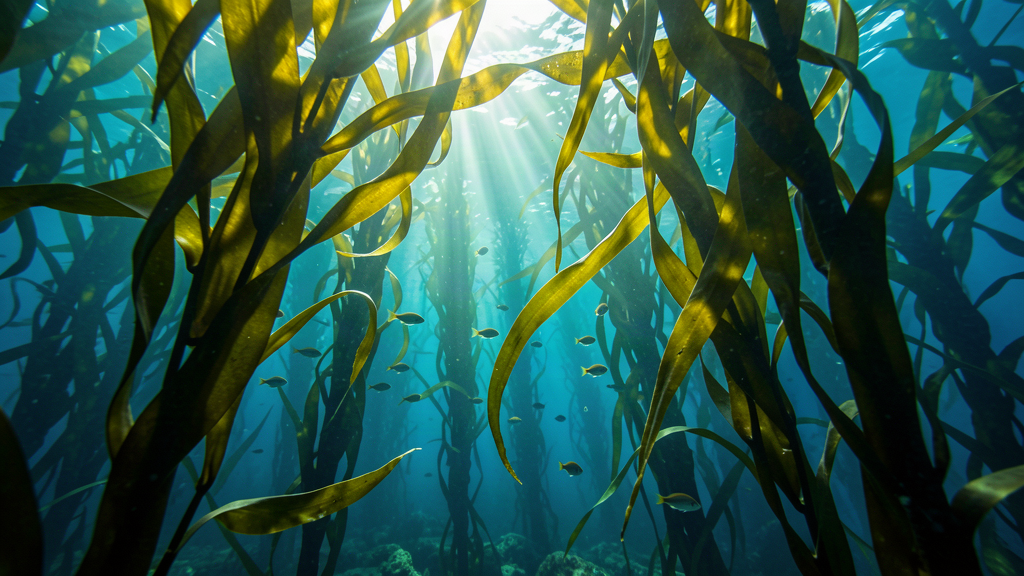
The Cape Kelp Forest: South Africa's Living Underwater Cathedral

The kelp forests along South Africa's western and southern coastline are among the most productive marine ecosystems on Earth. Explore how aquariums recreate these underwater cathedrals and the remarkable life they support.

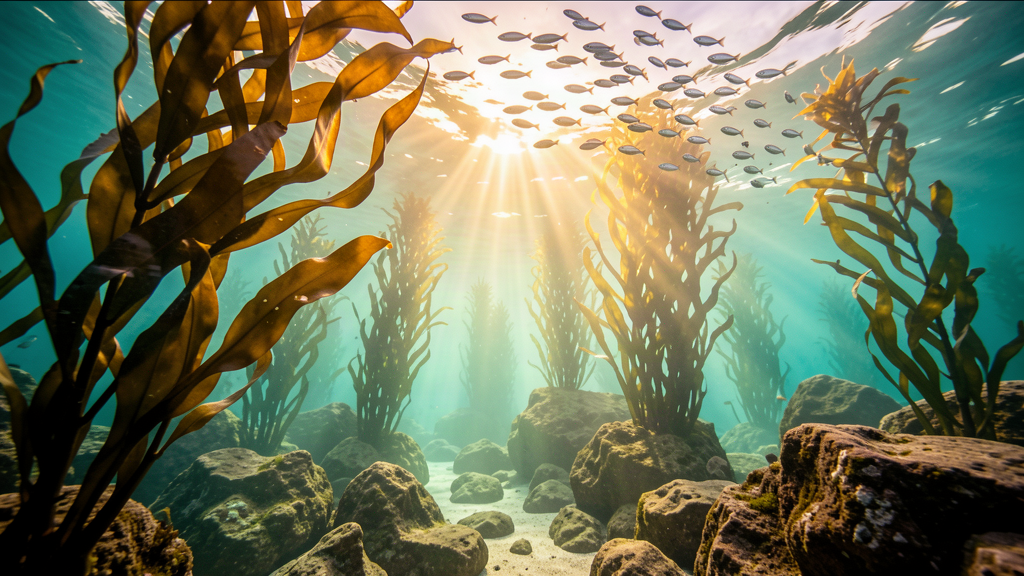
The kelp forests of the Cape region — dominated by the giant kelp Ecklonia maxima — form towering underwater ecosystems where the fronds grow up from rocky substrates to the surface, often reaching heights of 15 metres or more. These forests are the biological engine of the Western Cape coastline, supporting everything from shy pyjama sharks and sea cucumbers to Cape fur seals, rock lobsters, and dozens of fish species found nowhere else on Earth.

Biodiversity hotspots: A single kelp forest along the Cape Peninsula can host over a thousand species, including endemic hogfish, klipfish, and cleaner shrimp. The intricate three-dimensional structure of the kelp itself provides habitat for an astonishing range of invertebrates — sea fans, urchins, anemones, and brittle stars — that flourish in the cool nutrient-rich waters. Because the kelp can grow 30 centimetres a day, these ecosystems can regenerate rapidly compared to coral reefs once conservation measures are in place.

Aquarium interpretations: Major South African aquariums recreate kelp forest exhibits at impressive scale, often using live kelp specimens harvested under strict permit alongside carefully selected fish and invertebrate species that thrive together. The exhibits demonstrate how the forests moderate coastal ecosystems — buffering wave energy, stabilising sediments, and providing nurseries for commercially important fish stocks. Visitors observing a kelp exhibit walk away with a far richer understanding of why these ecosystems are both beautiful and ecologically critical.

Conservation status: Cape kelp forests face threats from warming seas, urchin overgrazing in some regions, and pollution. Several aquarium institutions partner with universities running restoration research, and visitors increasingly contribute to citizen science programmes that track kelp health along the coast.

Massive bait ball of sardines swirling during the South African sardine run Seasonal Wonder
August 6, 20266 min read

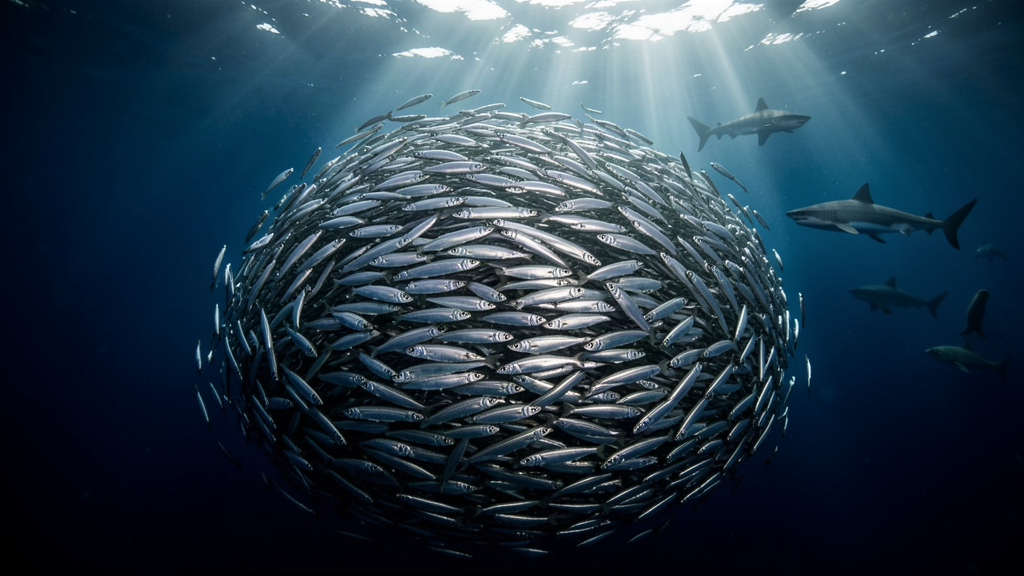
The Sardine Run: South Africa's Greatest Marine Spectacle

Each winter, billions of sardines migrate along the KwaZulu-Natal coast in one of the most extraordinary natural events on the planet — and aquariums play a vital educational role in showcasing it.

Known colloquially as "the greatest shoal on Earth," the annual sardine run sees billions of sardines migrate northward along South Africa's east coast during the southern hemisphere winter months, typically between May and July. The sardines form bait balls of staggering size — sometimes exceeding 20 metres in diameter — as predators including Cape gannets, dolphins, sharks, Cape fur seals, and Bryde's whales converge on them.

Why the sardine run happens: The exact triggers remain a subject of active research, but the convergence of cool water temperatures, upwelling along the Eastern Cape, and reproductive triggers in the sardine population all play a role. The result is a moving feast of protein that briefly transforms the marine ecosystem along the KwaZulu-Natal coast into one of the world's most dramatic predator-prey theatres.

Aquarium exhibitions and citizen science: Major South African aquariums feature dedicated sardine run exhibits during the event months, often combined with short educational films and talks by marine biologists actively involved in the research. These exhibits help visitors understand a phenomenon they would otherwise only see through expensive ocean-going expeditions. Aquarium-led citizen science programmes also collect sighting data that contributes to long-term monitoring of the sardine run's intensity and timing.

Volatile ecosystem: The sardine run is far less predictable than it once was, with some studies suggesting shifts in timing and intensity linked to broader oceanographic changes. Aquarium education programmes increasingly emphasise not just spectacle but the fragility of an event that may face significant long-term disruption from climate change.

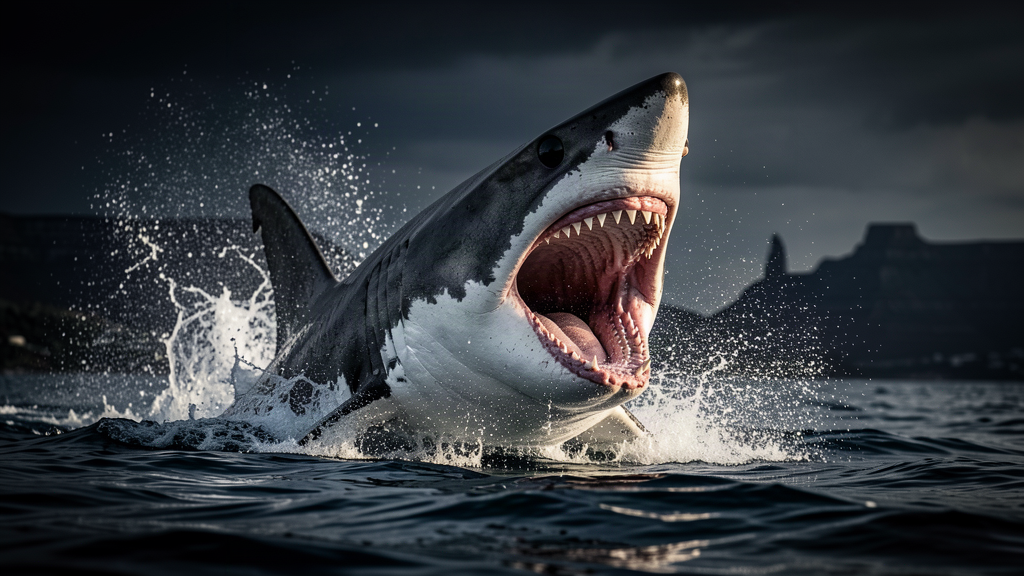
Great white shark with open mouth breaking ocean surface Shark Encounter
August 2, 20267 min read

Beyond the Stereotype: Understanding Sharks Through Aquarium Exhibits

Sharks have been feared, demonised, and misunderstood for decades. Modern aquarium exhibits play a critical role in reframing public perception through science-led education and direct viewing experiences.

Sharks are among the ocean's most successful evolutionary lineages — appearing in the fossil record more than 400 million years ago, predating trees, dinosaurs, and most contemporary marine life. Yet in popular culture they remain oddly maligned: a creature more associated with horror than with its true ecological role as one of the ocean's critical apex predators.

South Africa's shark diversity: The country's coastline hosts an extraordinary diversity of shark species — over 100 species recorded in South African waters, ranging from the iconic great white shark of the Western Cape to the ragged-tooth sharks of the Eastern Cape, leopard catsharks of the kelp forests, whale sharks occasionally spotted offshore during summer, and hammerheads along the KwaZulu-Natal coast. Sharks occupy virtually every marine habitat along the South African coast.

What aquarium exhibits teach: Major aquarium exhibits on sharks emphasise the animal's vital role in maintaining healthy fish populations, their extraordinary sensory biology, their slow reproductive rates that make them vulnerable to overfishing, and the genuine threats humans pose to sharks rather than the reverse. Many exhibits feature ragged-tooth sharks — a species South African aquariums have helped recover through decades of carefully managed captive breeding and public release programmes.

Cage diving and ethical viewing: For visitors interested in seeing great whites in the wild, Shark Cage Diving operations around Gansbaai and False Bay offer a regulated, scientifically monitored experience. South African regulations, conservation NGOs, and leading operators have developed a code of conduct that prioritises animal welfare, and aquarium educational programming helps visitors understand why ethical observation matters.

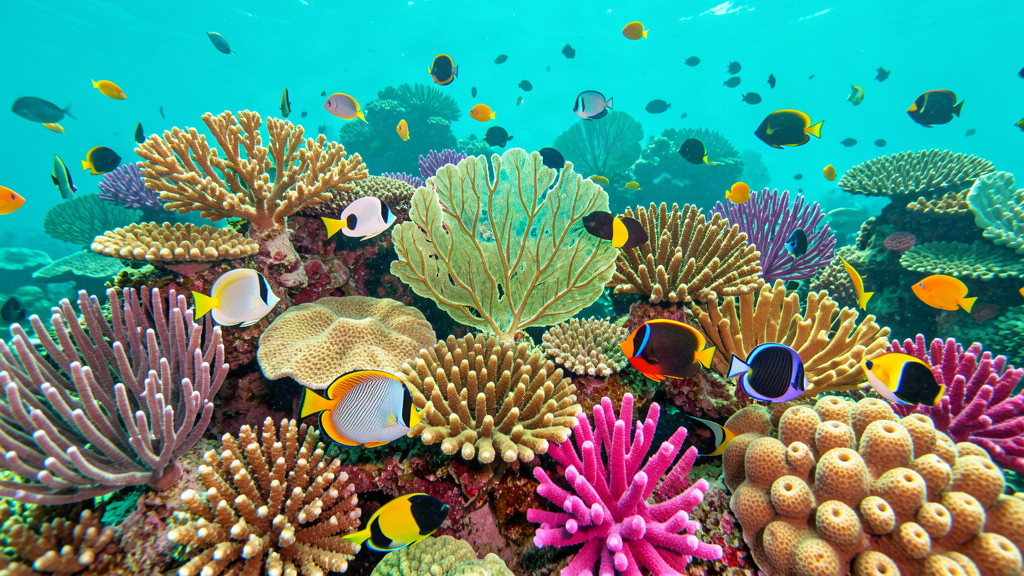
Tropical Indo-Pacific coral reef with colourful fish Reef Ecosystems
July 29, 20266 min read

Coral Reefs Without Borders: South Africa's Indo-Pacific Connections

South Africa's coastline is famously cool-water, but aquarium exhibits reveal how connections to the Indo-Pacific shape the country's reef ecosystems and conservation outlook.

South Africa sits at the geographic crossroads of two great ocean systems. Along the warm east coast, the Agulhas Current carries tropical Indian Ocean waters southward, supporting reef ecosystems home to tropical fish species, soft corals, and marine invertebrates more typically associated with the Indo-Pacific. This current-driven biological conveyor belt is one reason South African marine biodiversity is so disproportionately high for a country at the southern tip of Africa.

Tropical exhibits in a temperate country: Major South African aquariums include dedicated Indo-Pacific reef exhibits that showcase clownfish, butterfly fish, regal tangs, and a range of soft and stony corals typically found much further north. These exhibits demonstrate how ocean currents shape marine biogeography — and they are spectacular to visit, with kaleidoscopic colour that contrasts beautifully with the cooler kelp forest exhibits elsewhere in the building.

Reefs in transition: Like coral reefs worldwide, the marginal reefs of the Indo-Pacific reach along the KwaZulu-Natal coast face pressure from warming seas, ocean acidification, and bleaching events. Aquariums partner with regional research institutes to monitor coral health, rear coral fragments for restoration work, and educate visitors on the slow but devastating effects that climate change is having on tropical reef systems globally.

The underwater heritage of Maputaland: The iSimangaliso Wetland Park on the KwaZulu-Natal north coast includes some of the southernmost true coral reefs on the African continent — rarely visited but ecologically extraordinary. Aquarium exhibitions often include live-streamed footage from these reefs and field expeditions, giving urban visitors an otherwise inaccessible glimpse into one of South Africa's most unique marine environments.

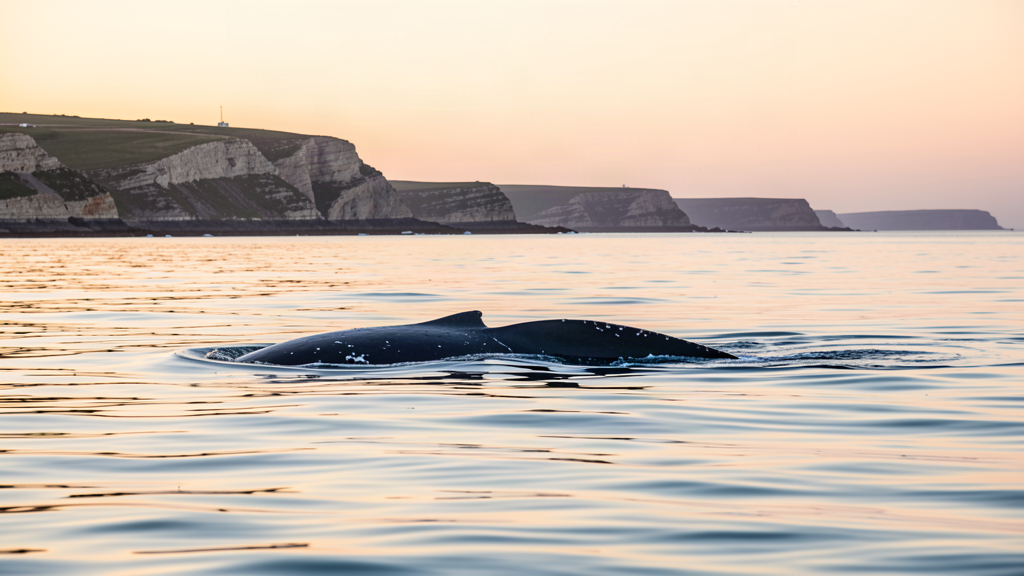
Southern right whale fluking tail at ocean surface near the coast Whale Heritage
July 26, 20266 min read

Whale Watching in South Africa: Coastal Heritage and Living Tourism

South Africa is one of the world's premier whale watching destinations. Aquariums complement coastal land-based viewing by bringing the biology, behaviour, and conservation story of these ocean giants closer to visitors.

Each year from June through November, southern right whales migrate along South Africa's coast to calve and mate in the sheltered bays of the Western Cape. The waters off Hermanus have earned global recognition as one of the most reliable land-based whale watching locations on Earth, with whale festival celebrations drawing tens of thousands of visitors annually.

The species visitors encounter: Beyond the southern right whale — the most commonly observed species — South African waters host humpback whales on their annual migration, Bryde's whales year-round in the KwaZulu-Natal offshore areas, and occasional sightings of orcas along the coast. Each species brings distinctive behaviour, blow patterns, and surface activity that visitors can learn to recognise. Aquariums provide interpretive materials and citizen science apps that turn any coastal trip into an educational opportunity.

Aquarium educational programmes: Major South African aquariums run scheduled whale season presentations during peak months, host visiting marine biologists, and feature educational exhibits on whale biology, acoustics, and the international moratorium that has allowed populations to recover from the devastation of 20th-century commercial whaling. These exhibits help contextualise what visitors see from the shore — turning offshore white splashes into recognisable fluke dives, breaches, and lobtailing behaviours.

Ethical whale tourism: Boat-based whale watching is regulated under South African maritime law, with strict approach distances and operator licensing requirements designed to protect whales from harassment. Aquariums play a role in educating visitors on observing whales ethically — keeping distance, limiting time in proximity, and never pursuing animals that move away.

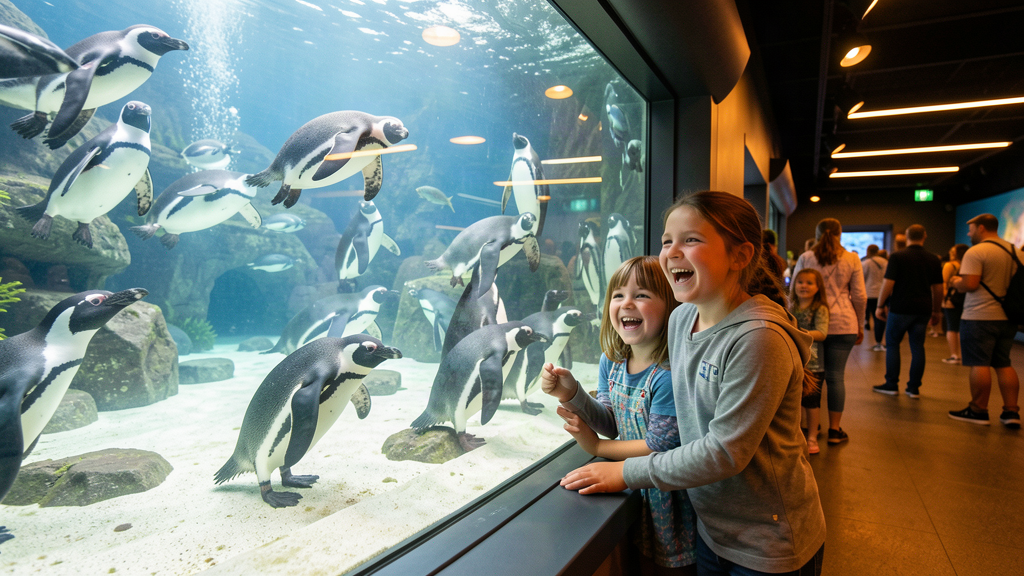
Family looking through aquarium glass at penguins underwater Family Travel
July 22, 20265 min read

Family-Friendly Guide: Visiting Aquariums with Children

South African aquariums are exceptionally well-designed for family visits, with dedicated children's zones, touch pools, school holiday programming, and educational exhibits that engage visitors of every age.

Aquariums are among the most reliably engaging family destinations — combining the visual spectacle of large marine animals with the tactile appeal of touch pools and the curiosity-driven joy of discovery. South Africa's major aquariums are exceptionally well-equipped for family visitors, with practical facilities and educational programming designed to keep visitors of every age engaged across a multi-hour visit.

Touch pools and interactive exhibits: Most major South African aquariums include dedicated touch pool zones where children (and adults) can interact with sea urchins, hermit crabs, sea stars, and small shark species under careful supervision. These tactile experiences create powerful learning moments that passive viewing cannot match. Many facilities also include interactive digital exhibits, microscope stations where children can examine plankton and small invertebrates, and craft or storytelling rooms for younger visitors.

Penguin viewing: African penguin exhibits are a perennial favourite for families. Native to South Africa's coastline and classified as endangered, these charismatic black-footed penguins draw delighted responses from children and adults alike. Penguin feedings are scheduled daily at the major facilities, with knowledgeable staff explaining penguin behaviour, conservation challenges, and the species' recovery programme.

School holiday programming: South African aquariums run dedicated holiday programmes during the major school breaks, with marine biology workshops for older children, junior aquarist experiences, sleepover events with overnight access to exhibits, and themed days around specific conservation campaigns. Booking early during school holidays is strongly recommended as popular dates fill quickly.

Underwater photographer with camera rig capturing sharks in clear blue water Photography
July 18, 20265 min read

Photography Guide: Capturing the Magic of Aquarium Exhibits

Modern aquariums offer extraordinary photography opportunities — from dramatic low-light tunnel shots to vibrant reef colour captures. A few technique adjustments make the difference between a snapshot and a keeper.

Aquariums make for surprisingly rewarding photography subjects, though they come with unique technical challenges. Low ambient light, moving subjects behind glass, reflections from ambient lighting, and the mix of bright exhibit zones and darkened tunnel passages all demand an adaptive approach. The good news: most modern smartphone cameras handle aquariums well with a few simple adjustments.

Working with smartphone cameras: Tap the screen directly on the subject to lock focus and exposure. Press the lens flat against the aquarium glass (where permitted) to eliminate reflections and refraction distortion. Most facilities allow no-flash photography, and using flash is counterproductive — flash reflections off the glass ruin virtually every shot. Where allowed, a small rubber lens hood or even your hand cupped around the lens can dramatically reduce reflections.

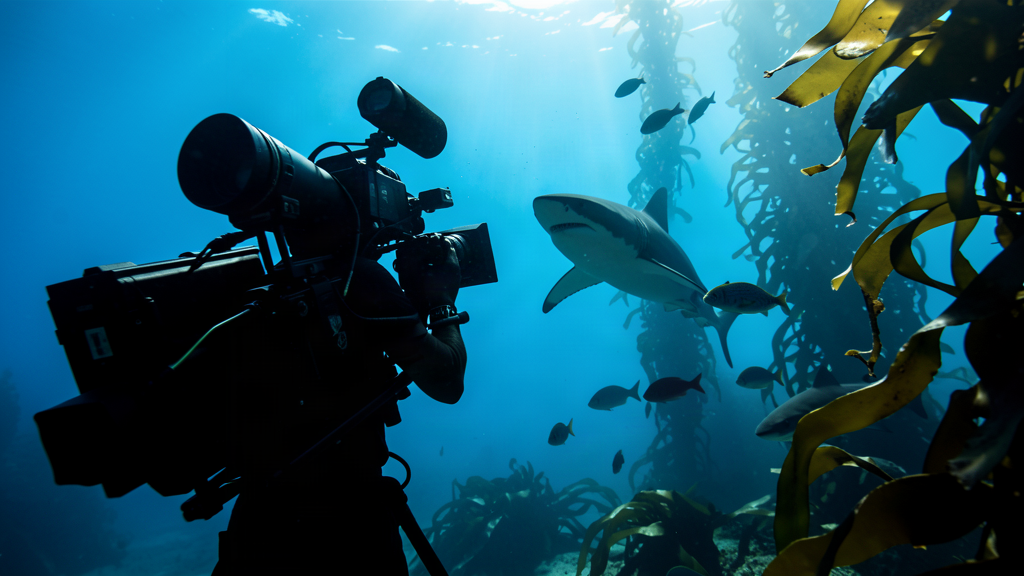
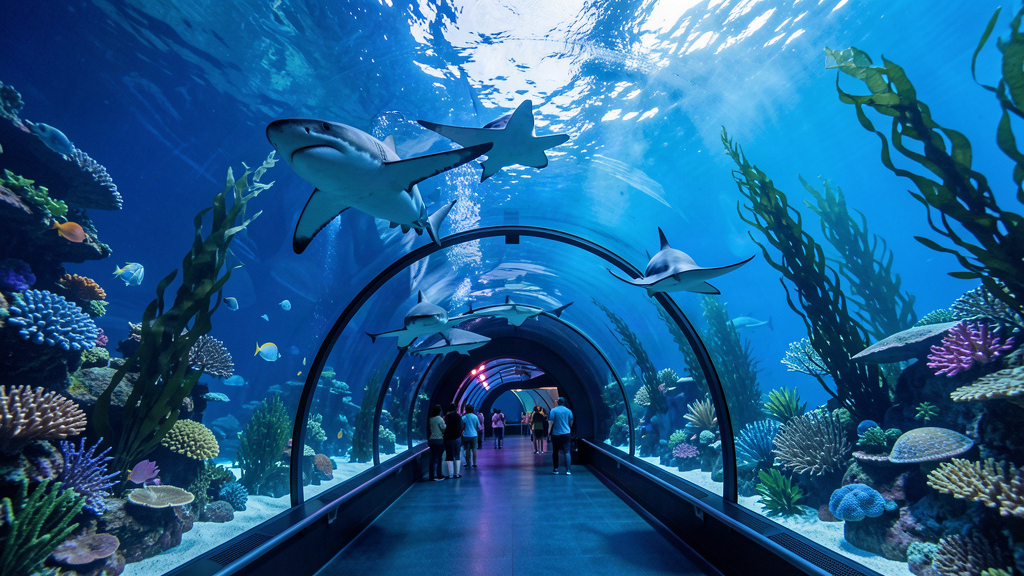
Shooting the ocean tunnel: The longer transparent tunnels present both opportunity and challenge. Subjects move past at unpredictable speed and angles, lighting is uneven across the tunnel length, and silhouettes against the bright tank backdrop are often the best compositional choice. Continuous shooting mode, patience, and an eye for repeated passing patterns all help. Look for the moment when a large animal approaches from a distance — anticipation dramatically increases keeper-shot yield.

Penguin and surface exhibits: The above-water penguin enclosures, sea otter exhibits, and outdoor touch pool zones offer more conventional photography opportunities. Bright natural light, accessible subjects, and predictable behaviour patterns make these ideal for family portrait shots and detail photography. Look for moments of interaction, eye contact, and emotional connection — the keepers of a great aquarium photo.

Conservationists releasing a rescued sea turtle at the beach during golden hour Conservation
July 14, 20266 min read

Aquariums as Conservation Engines: The Work Behind the Exhibits

Modern public aquariums are far more than tourist attractions. They run breeding programmes, fund field research, support ocean conservation, and serve as critical hubs for marine species recovery.

The reputation of public aquariums has changed dramatically over the past two decades. Where early facilities were sometimes rightly criticised for prioritising spectacle over animal welfare, modern accredited aquariums operate under strict ethical frameworks that emphasise conservation, research, education, and animal welfare as their core mission. Exhibits are designed to inspire visitors — but the work happening behind the scenes is what defines institutional credibility.

Breeding programmes and species recovery: South African aquariums participate in regional and international breeding programmes for threatened marine species, including ragged-tooth sharks, African penguins, sea horses, and several threatened coral species. Captive-bred individuals are sometimes released into carefully managed wild populations, contributing directly to species recovery. The Two Oceans Aquarium in Cape Town, for example, runs a long-running ragged-tooth shark release programme that has contributed measurably to the recovery of this vulnerable species along the Eastern Cape coast.

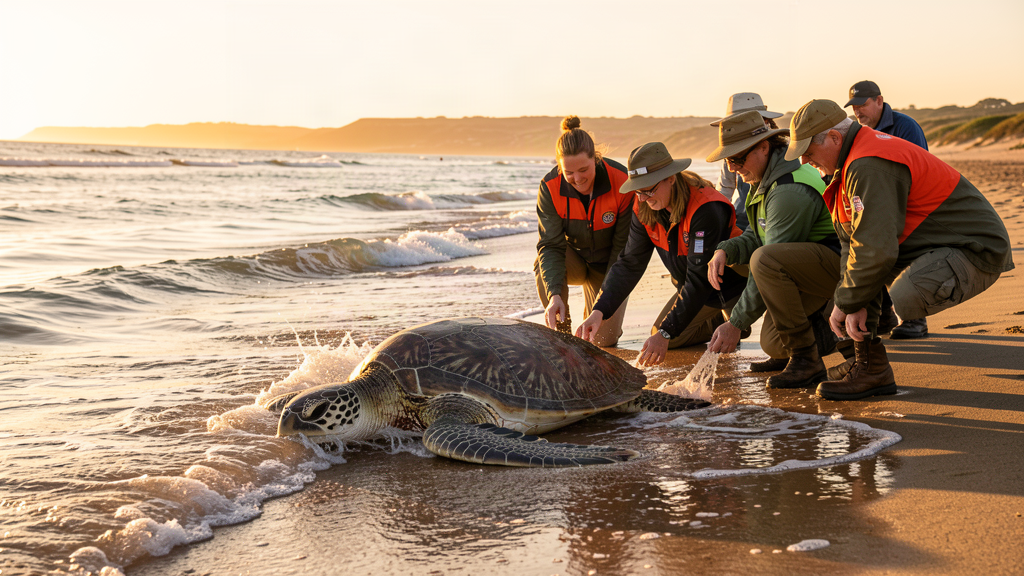
Sea turtle rehabilitation: Several South African aquariums operate dedicated sea turtle rehabilitation centres, treating injured and stranded turtles rescued from fishing bycatch, boat strikes, and plastic ingestion. Recovered turtles are eventually released back into the wild through partnerships with conservation organisations. Visitors sometimes have the opportunity to witness releases and learn about the threats facing these ancient mariners.

Funding ocean science: Aquarium ticket revenue, membership fees, and donations fund marine biology research at partner universities. Studies on shark population genetics, coral thermal tolerance, fisheries management, marine noise pollution, and cetacean acoustics all rely to some extent on aquarium-supported funding and access to captive animal populations that allow controlled study of otherwise inaccessible species.

Close-up of a Cape fur seal diving through clear blue water Wildlife Viewing
July 10, 20265 min read

Seals, Penguins & Coastal Wildlife: Beyond the Aquarium Glass

Aquariums introduce visitors to South Africa's marine species — but the same animals can be observed in the wild along the country's coastline. Here's how to plan an aquarium-plus-wildlife itinerary.

Aquariums serve as excellent introductions to South African marine wildlife — but they are also gateways to extraordinary wild viewing experiences along the country's 3,650-kilometre coastline. Combining an aquarium visit with coastal wildlife excursions creates a much richer understanding of the marine ecosystems the aquarium exhibits portray, and dramatically elevates a family holiday from sightseeing to genuine exploration.

Penguin colonies: Boulders Beach near Simon's Town is home to a thriving colony of African penguins — easily accessible from central Cape Town and an excellent complement to any city aquarium visit. The colony has recovered dramatically since the species was upgraded to endangered status in 2010, and boardwalks allow close viewing without disturbing nesting birds. Pairing this visit with an aquarium penguin exhibit provides context on the species' conservation challenges and biology that the beach alone cannot offer.

Cape fur seals: Seal colonies at Duiker Island near Hout Bay and at Cape Seal Colony in False Bay host tens of thousands of Cape fur seals. Boat-based seal viewing trips from the harbours of Hout Bay and Simon's Town offer reliable close encounters. The animals are bold, curious, and extraordinarily photogenic. Aquariums that house rescued seal juveniles provide context for visitors on seal biology and the threats these animals face from entanglement in fishing gear and ocean pollution.

Coastal birdlife: Beyond penguins and seals, South African coastline hosts remarkable seabird diversity — Cape gannets, African black oystercatchers, white-breasted cormorants, and the occasional visiting tropic bird. Many aquariums run bird identification workshops and citizen science bird counts during peak viewing months. Visitors interested in marine biology will find these excursions transform simple coastal walks into rewarding wildlife encounters.

Wide interior view of a major public aquarium with kelp forest exhibit Visitor Logistics
July 6, 20265 min read

Planning Your Visit: Tickets, Transport, and Practical Logistics

A practical guide to getting the most from your South African aquarium visit — covering tickets, transport, accessibility, food options, and how to plan the day around opening hours and scheduled events.

South Africa's major aquariums are concentrated primarily in the Western Cape and KwaZulu-Natal provinces, with smaller but excellent facilities also operating in the Eastern Cape and Gauteng. Most visitors plan aquarium visits around a broader coastal holiday, and tickets are best purchased online in advance to avoid queue lines and to lock in preferred timing for live feeding demonstrations and interactive experiences.

Tickets and pricing: Standard admission ranges from budget-friendly community rates to full adult and family pricing, with significant discounts for children, students, seniors, and large groups. Annual membership offers exceptional value for repeat visitors — most facilities also offer reciprocal admission or discount with member cards of partner aquariums internationally. Look for combined tickets that include Behind-the-Scenes tours, aquarium sleepover experiences, or boat-based wildlife excursions.

Transport and accessibility: Major aquariums are located in metropolitan areas with good public transport connections. Ride-hailing services and metered taxis offer convenient door-to-door access. All major South African aquariums prioritise accessibility, with wheelchair-friendly pathways throughout exhibits, accessible restroom facilities, and trained staff to assist visitors with a range of mobility and sensory requirements. Wheelchair rental is generally available at the main entrance at no charge.

Food and breaks: Most facilities include on-site cafés or restaurants, and many are located within easy walking distance of independent restaurants for visitors who prefer to leave and return with a same-day re-entry ticket. Multi-hour visits are best paced with planned breaks — particularly for families with younger children. Most aquariums offer quiet corners, outdoor terraces, and family rest zones.

Conservationists releasing a rescued sea turtle during golden hour on a South African beach Future Outlook
July 2, 20266 min read

The Future of South African Aquariums: Innovation, Authenticity, and Conservation

South African aquariums are evolving rapidly. New exhibit technologies, deeper conservation partnerships, and changing visitor expectations are reshaping what the aquarium of the future will look like.

The next decade promises significant evolution in how South African aquariums operate and what they offer visitors. Investment in exhibit renovation, expansion of conservation programmes, integration of new digital technologies, and deeper community engagement are reshaping facilities that have themselves evolved dramatically over the past thirty years from tourism destinations into genuinely conservation-focused institutions.

New exhibit technologies: Cutting-edge aquarium exhibits increasingly blend biological displays with digital interpretation — augmented reality overlays that identify species in real time, interactive touchscreens that trace migration patterns, immersive projection mapping that recreates ocean environments around visitors, and live-streamed feeds from field research expeditions. These technologies deepen educational impact while keeping the live animals themselves the centrepiece of the experience.

Community and education focus: Aquariums are investing heavily in school outreach, with mobile education programmes reaching schools in underserved communities, free admission programmes for low-income families, and marine biology bursaries for promising students. The long-term goal is building a more diverse pipeline of marine scientists, conservation practitioners, and ocean-literate citizens — ensuring the next generation of South Africa's marine workforce reflects the country's full demographic diversity.

Climate change commitments: Operating facilities powered by renewable energy, sourcing sustainable seafood for on-site restaurants, eliminating single-use plastics across exhibits and gift shops, and supporting field conservation work that addresses climate-driven ocean changes are increasingly standard expectations. South African aquariums that meet these expectations are positioning themselves as leaders in the global zoo and aquarium community, while those that lag risk losing credibility with both visitors and conservation partners.

Essential Aquarium Visitor Tips

Make the most of your visit with these practical tips from seasoned aquarium visitors and marine enthusiasts.

Visit on a Weekday

Wednesday and Thursday mornings offer the best balance of atmosphere and manageable crowds. Weekends and school holidays are lively but very busy — arrive at opening time if visiting during peak periods.

Time the Feedings

Penguin feedings and shark feedings are scheduled daily. Plan your route around these — animals are most active during feeding, and the keeper talks explain behaviour, biology, and conservation work behind each species.

Book Tickets Online

Online ticketing saves significant time at peak periods and often unlocks discounted rates. Most facilities also offer annual memberships with unlimited entry — excellent value if you live locally or are visiting for an extended holiday.

No Flash Photography

Flash photography stresses the animals and creates unusable reflections on the glass. Modern smartphones excel in aquarium lighting without flash. Press the lens gently against the glass to eliminate reflections.

Read the Conservation Cards

Each major exhibit includes conservation cards explaining the species' wild status, threats it faces, and what the aquarium is doing to help. These short texts dramatically deepen the educational value of every visit.

Ask the Volunteers

Docent volunteers throughout the exhibits are a free, expert resource. They can highlight species you might otherwise miss, share stories about particular animals, and answer questions about the husbandry work behind the scenes.

When to Visit: South African Marine Calendar

South Africa's marine ecosystems follow seasonal rhythms. Plan your aquarium-plus-wildlife visit around the natural events of each time of year.

Mar – May
Autumn Sardine Run
  • Kelp forests at peak seasonal growth
  • Sardine run begins late May
  • Mild temperatures before winter
  • Penguin breeding season active
Jun – Aug
Peak Winter Marine
  • Sardine run peak (June-July)
  • Whale season begins
  • Cold water diving visibility at best
  • Intense kelp forest productivity
Sep – Nov
Spring Whale Season
  • Peak whale watching along coast
  • Warm weather returning
  • Schools in peak visit season
  • Penguin chick fledging period
Dec – Feb
Summer Beach Season
  • Peak holiday visiting
  • Warm-water Agulhas current species
  • Outdoor aquarium programmes
  • Loggerhead turtle nesting season

Everything You Need to Know

Answers to the most common questions from first-time and returning aquarium visitors to South Africa.

South Africa's most prominent public aquariums are concentrated in the Western Cape and KwaZulu-Natal provinces. The Two Oceans Aquarium at the V&A Waterfront in Cape Town is the country's flagship facility, featuring an iconic kelp forest exhibit and an Indo-Pacific gallery. Additional notable aquariums operate in Durban, Gqeberha (Port Elizabeth), East London, and several inland facilities specialising in freshwater and reptile species. Each has distinct exhibits and educational focus areas worth comparing when planning regional visits.

A minimum of three to four hours is needed to appreciate a full visit to a major South African aquarium, but most visitors find that five to seven hours passes quickly once feeding demonstrations, talks, and immersive tunnel experiences are factored in. First-time visitors typically stay longer than expected — the educational programming, touch pools, and penguin feedings tend to extend visits organically. Annual members may visit briefly multiple times throughout the year, focusing on different galleries each time.

Yes — South African aquariums are exceptionally well-suited for families with children of all ages, including toddlers. Touch pool zones, dedicated children's discovery areas, and educational programming all engage young visitors. Stroller access is excellent throughout the major facilities, and nursing rooms, baby-changing facilities, and family restrooms are standard. School holiday programmes often include junior aquarist experiences and marine biology workshops tailored to different age groups.

Absolutely — combining an aquarium visit with coastal wildlife excursions creates a much richer understanding of South African marine ecosystems. African penguin colonies at Boulders Beach near Simon's Town, Cape fur seal colonies accessible by boat from Hout Bay, and seasonal whale watching from Hermanus or Cape Agulhas all complement aquarium visits beautifully. Most planning revolves around a multi-day itinerary that pairs the aquarium with relevant coastal destinations.

Modern South African aquariums are deeply committed to marine conservation. They operate captive breeding programmes for threatened species including ragged-tooth sharks and African penguins, run sea turtle rehabilitation centres, fund marine biology research at partner universities, support coastal habitat restoration projects, and contribute to international species recovery efforts. Visitor tickets, memberships, and donations directly support this conservation work — making aquarium visits one of the more tangible ways tourists contribute to marine ecosystem protection.

Yes. Accredited South African aquariums operate under strict ethical frameworks prioritising animal welfare, conservation, education, and research. When visiting, support facilities that display accreditation credentials from recognised zoo and aquarium associations. Avoid attractions that feature captive marine mammals performing tricks, touch tanks that hold threatened species, or exhibits with visibly stressed animals. Quality facilities will openly discuss their animal welfare standards, sourcing policies, and conservation partnerships.